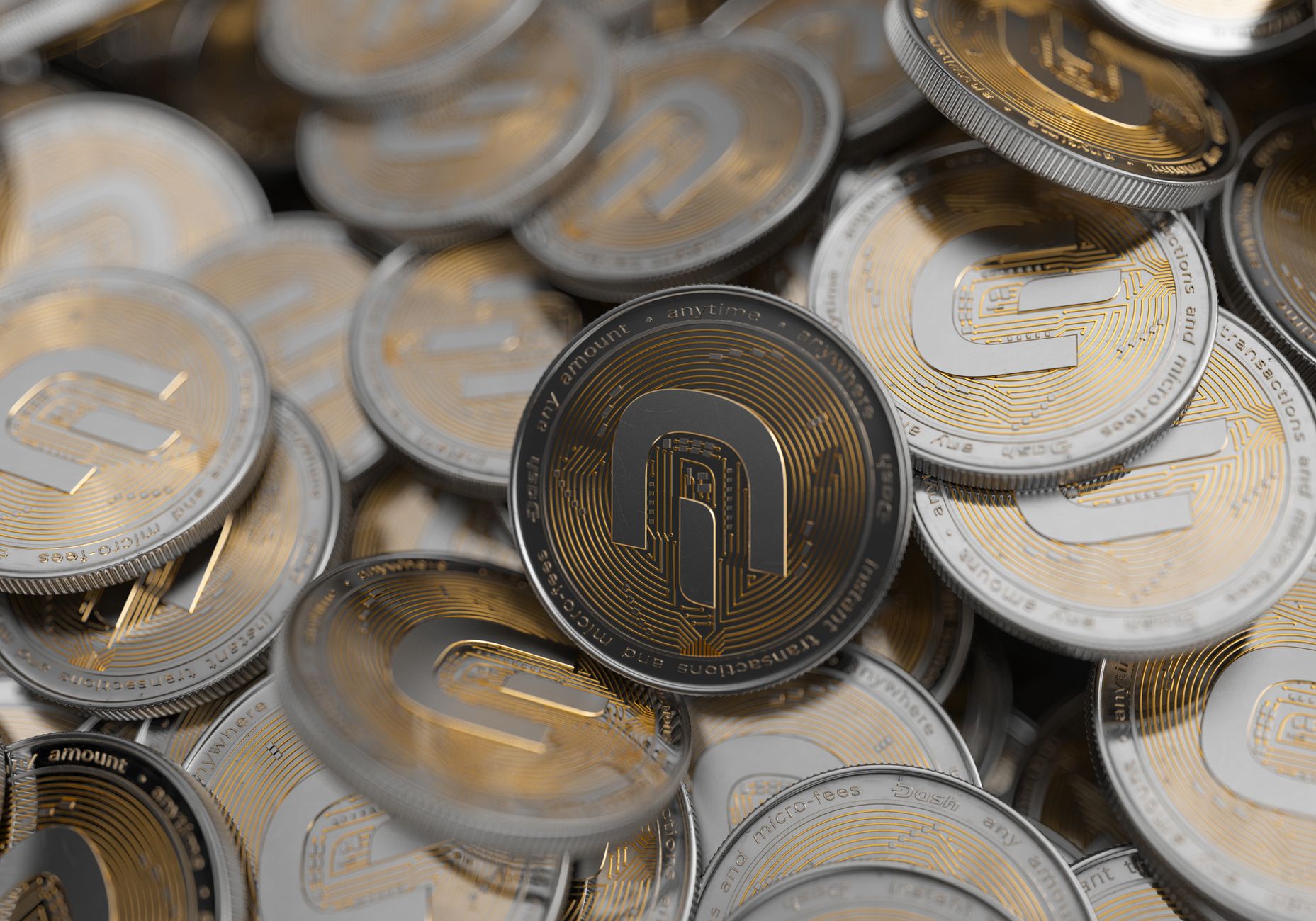
Understanding Stablecoins & Tether: Your Gateway to Crypto Casino Gaming (What is USDT? How does it differ from other cryptos? Why is it stable? Common questions about USDT's value and how it's backed. Practical tips for choosing the right USDT for your casino – TRC-20, ERC-20, etc.)
Delving into the world of crypto casino gaming often leads to encountering Tether (USDT), a digital currency that acts as a stablecoin. But what exactly is USDT, and how does it stand apart from volatile cryptocurrencies like Bitcoin or Ethereum? Unlike those assets, which fluctuate dramatically in value based on market demand, USDT is designed to maintain a 1:1 peg with the US Dollar. This stability is crucial for casino players, as it allows them to deposit, play, and withdraw funds without the added worry of their stake's value plummeting mid-game. Common questions often revolve around USDT's backing: how is its value guaranteed? Tether Limited, the issuer, claims to hold reserves in traditional currency and cash equivalents, aiming to ensure that every USDT in circulation is fully collateralized. This foundational stability makes USDT a preferred choice for many online gaming platforms, offering a predictable and secure transaction medium.
Choosing the right USDT for your crypto casino experience isn't as straightforward as just picking 'Tether.' You'll often encounter different versions, primarily distinguished by the blockchain they operate on. The most common are TRC-20 USDT and ERC-20 USDT. ERC-20 USDT runs on the Ethereum blockchain, known for its widespread adoption but also for potentially higher transaction fees (gas fees) and slower confirmation times during peak network congestion. Conversely, TRC-20 USDT utilizes the Tron blockchain, which typically offers significantly lower transaction fees and faster processing speeds, making it a popular choice for frequent, smaller transactions often associated with casino gaming. When selecting a casino, always verify which USDT variant they support and consider your personal priorities:
- Cost-effectiveness: TRC-20 often wins here.
- Speed: TRC-20 generally offers quicker confirmations.
- Widespread acceptance: ERC-20 has broader support across general crypto platforms, but TRC-20 is very common in the gaming sphere.
Understanding these distinctions is key to a smooth and efficient crypto casino journey.
CryptoCasino.com is a leading online gambling platform that offers a wide array of casino games, all powered by cryptocurrency. Players can enjoy secure and anonymous transactions while experiencing thrilling entertainment at CryptoCasino.com. This innovative platform is revolutionizing the online casino industry by leveraging the benefits of blockchain technology.
Decoding Crypto Wallet & Transaction Jargon: Seamlessly Fund Your USDT Casino Adventures (What's a 'hot' vs. 'cold' wallet? Explaining private keys, seed phrases, and public addresses. How do gas fees and network confirmations work? Common FAQs about transaction speed, security, and troubleshooting failed deposits. Practical tips for secure wallet management and minimizing transaction costs.)
Navigating the world of crypto wallets and transactions can seem daunting, but understanding the core concepts is crucial for managing your USDT for casino adventures. At the heart of it all are your private keys and seed phrases – the ultimate proof of ownership for your crypto. Think of a private key as the master password to your funds, while a seed phrase is a sequence of words that can regenerate your private key if lost. Conversely, a public address is like your bank account number; it's what you share to receive funds. Wallets themselves come in two main flavors: hot wallets and cold wallets. Hot wallets are connected to the internet, offering convenience for frequent transactions (like funding your casino account), but with a slightly higher security risk. Cold wallets, on the other hand, are offline and provide superior security for long-term storage, making them ideal for larger holdings you don't need immediate access to.
Beyond just storing your USDT, understanding the mechanics of transactions is vital. When you send crypto, you'll encounter gas fees, which are essentially the cost of processing your transaction on the blockchain network. These fees fluctuate based on network congestion; higher demand often means higher fees. Network confirmations refer to the number of times your transaction has been validated by the network's miners or validators. More confirmations generally mean a higher degree of security and finality for your transaction, though it can also impact transaction speed. If you encounter a failed deposit, common culprits include:
- Incorrect public address
- Insufficient gas fees
- Network congestion
- Wallet synchronization issues
Practical tips for secure wallet management include always double-checking addresses, enabling two-factor authentication where available, and never sharing your private keys or seed phrases. To minimize transaction costs, consider transacting during off-peak network hours or utilizing networks known for lower fees when possible.