From Fiat to FUD: Funding Your Crypto Wallet for Decentralized Betting (and What to Avoid)
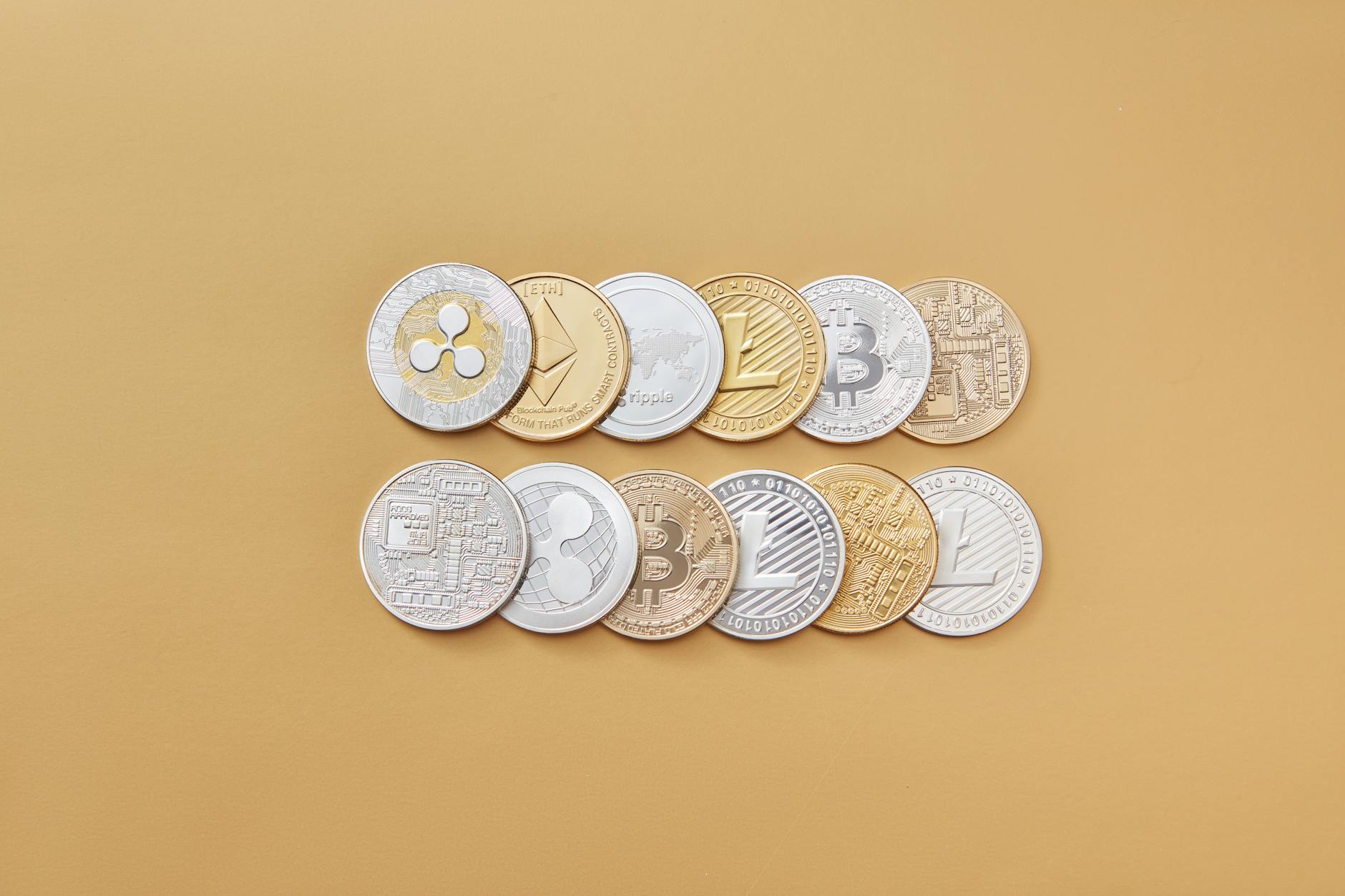
Navigating the world of decentralized betting requires a fundamental understanding of how to fund your crypto wallet, a process often referred to as converting Fiat to Crypto. This initial step typically involves using a centralized exchange (CEX) like Coinbase or Binance to purchase cryptocurrencies such as Ethereum (ETH) or Polygon (MATIC) with traditional fiat currencies (USD, EUR, etc.). Once acquired, these digital assets are then transferred from the CEX to your personal, non-custodial wallet (e.g., MetaMask, Trust Wallet). This crucial transfer empowers you with true ownership of your funds, a cornerstone of decentralization. Always double-check wallet addresses during this process, as incorrect entries can lead to irreversible loss of funds. Furthermore, be mindful of exchange fees and gas fees on the blockchain, which can impact the total amount available for your betting endeavors.
While the transition from fiat to crypto is straightforward, it's equally important to understand and avoid common pitfalls, or FUD (Fear, Uncertainty, and Doubt), that can hinder your decentralized betting journey. Firstly, beware of phishing scams; always verify website URLs and never share your wallet's seed phrase. Secondly, avoid over-leveraging or investing more than you can afford to lose, as crypto markets are inherently volatile. Thirdly, be wary of unregulated or unvetted decentralized betting platforms. Stick to well-established and audited protocols to minimize risks. Finally, understand the implications of different blockchain networks; using the wrong network for a transaction can lead to lost funds. Always prioritize security and due diligence to ensure a smooth and secure experience in the exciting world of decentralized betting.
Decentralized betting platforms are emerging as a fascinating alternative to traditional bookmakers, leveraging blockchain technology to offer enhanced transparency and security. These platforms often operate without a central authority, allowing users to place bets directly against each other or a smart contract, leading to a more equitable and verifiable system. For those interested in exploring this innovative space, you can learn more about decentralized betting and its potential to revolutionize the gambling industry.
Placing Your First Peer-to-Peer Wager: Navigating DeFi Betting Platforms (FAQs & Troubleshooting)
Embarking on your first peer-to-peer (P2P) wager within the decentralized finance (DeFi) betting landscape can feel like a leap into the unknown, but with a clear understanding of the process, it’s remarkably straightforward. The core concept revolves around smart contracts automating the agreement and payout between two parties, eliminating the need for a central bookmaker. Before placing your bet, ensure you have a compatible cryptocurrency wallet (e.g., MetaMask) funded with the correct token (e.g., ETH, DAI) required by your chosen platform. Familiarize yourself with the platform's user interface, paying close attention to
- how markets are displayed
- how odds are presented
- and the specific steps for creating or accepting a bet
Even with careful preparation, encountering minor hurdles is part of the DeFi betting journey. Common issues often stem from insufficient gas fees, network congestion, or incorrect wallet connections. If your transaction is pending or fails, first check your wallet's transaction history for any error messages.
“Insufficient funds for gas” is a frequent culprit, indicating you need more ETH (on Ethereum-based platforms) to cover the network processing fee.If the platform isn't recognizing your wallet, try disconnecting and reconnecting, or clearing your browser's cache. Many DeFi betting platforms also have active community forums or Discord channels where you can find rapid support from experienced users and developers. Don't hesitate to leverage these resources; the DeFi community is generally very helpful and eager to assist newcomers.