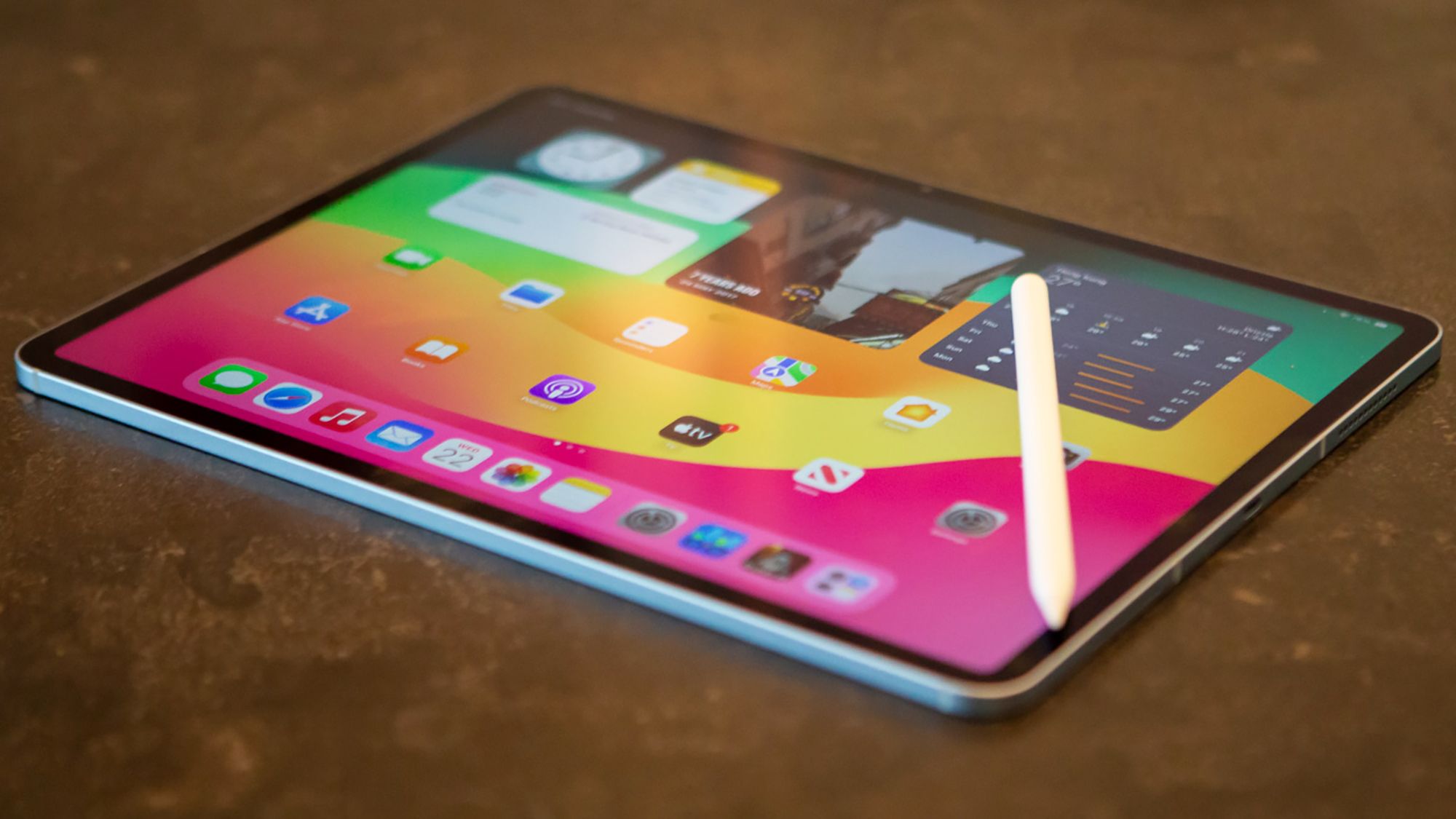
Top 5 Features That Make Tablets the Ultimate Portable Entertainment Hub
In today's fast-paced world, tablets have emerged as the ultimate portable entertainment hub, combining the functionalities of traditional devices like laptops and smartphones into a single, sleek package. One of the standout features is their remarkable display quality. With vibrant colors and high resolution, watching movies or gaming becomes an immersive experience. Additionally, the convenience of touch-screen interfaces allows for effortless navigation and interaction, making it ideal for users of all ages.
Another significant aspect is the vast array of content available at your fingertips. Tablets support various apps and platforms for streaming, gaming, and reading, meaning you can easily access all your favorite entertainment sources in one location. Furthermore, with long battery life and lightweight design, they allow users to enjoy entertainment on the go, whether commuting or relaxing at a café. Here are the top five features that elevate tablets as the go-to device for portable entertainment:
- Exceptional display quality
- Wide-ranging content access
- Long-lasting battery life
- Lightweight and portable design
- User-friendly interfaces
Counter-Strike is a popular tactical first-person shooter game that emphasizes team-based gameplay and strategic planning. Players can choose to be either terrorists or counter-terrorists, each with unique objectives. For those looking to enhance their gaming experience, checking out the Top 10 Bluetooth Tablet Keyboards can provide valuable insights into the best accessories available. With its competitive nature, Counter-Strike continues to be a favorite in the esports community.
How Tablets are Transforming Work and Play: A Deep Dive
In recent years, tablets have emerged as powerful tools that are reshaping both work and play. These versatile devices bridge the gap between traditional laptops and smartphones, offering a unique blend of portability and functionality. With features like touchscreens, robust app ecosystems, and increasing processing power, tablets are becoming indispensable in various professional settings. For instance, industries such as education, healthcare, and design are leveraging tablets for enhanced productivity and collaboration, allowing users to take notes, manage projects, and review designs on the go.
Moreover, the impact of tablets on leisure activity is equally significant. With an abundance of entertainment options available at one’s fingertips, users can seamlessly transition from work to play. Activities like streaming movies, reading e-books, and engaging in mobile gaming have all been revolutionized by the capabilities of these devices. As a result, tablets are not just tools for efficiency; they also provide a platform for creativity and relaxation. As we continue to explore the implications of this shift, it’s essential to recognize how tablets are redefining our daily lives, both in professional contexts and in personal enjoyment.
Are Tablets the Future of Computing? Exploring Benefits and Limitations
The question of whether tablets represent the future of computing is both fascinating and complex. Tablets offer a unique blend of portability and functionality, making them an appealing option for users on the go. With advancements in tablet technology, such as improved processors and high-resolution displays, many individuals find that tablets fulfill their computing needs. For casual users, tablets excel in areas like streaming media, browsing the internet, and running basic productivity apps. As a result, they are becoming increasingly popular among students and professionals who require a lightweight yet versatile device.
However, despite their advantages, tablets also come with limitations that may prevent them from completely replacing traditional computers. For example, while tablets are excellent for touch-based tasks, they often fall short when it comes to complex tasks such as graphic design or programming. Additionally, the absence of a full-sized keyboard can hinder typing efficiency for longer projects. Furthermore, software availability can be a concern as some applications are still optimized for desktop computing and may not have equivalent tablet versions. Therefore, while tablets undoubtedly have their place in the computing landscape, they may coexist with traditional computers rather than fully replace them.