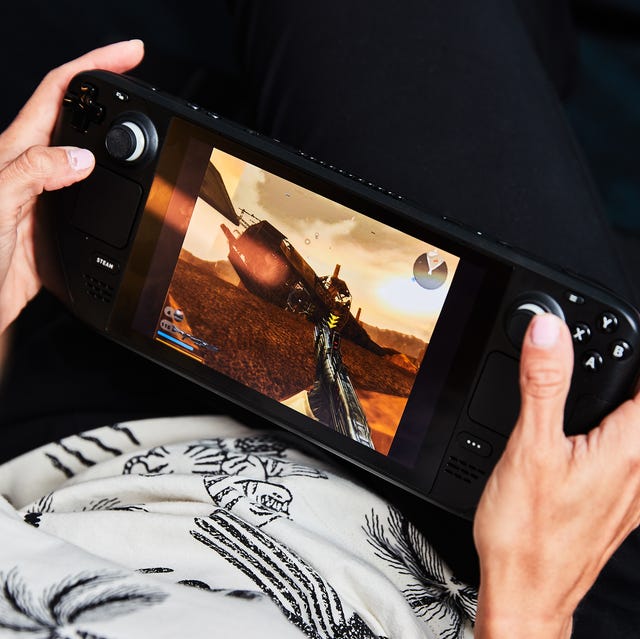
The Evolution of Handheld Gaming: From Tetris to The Switch
The journey of handheld gaming began in the 1980s with the introduction of iconic titles like Tetris. This simple yet addictive puzzle game took the world by storm, popularizing handheld consoles such as the Game Boy. With its monochrome screen and limited capabilities, the Game Boy set the foundation for portable gaming. It was during this era that players could enjoy gaming on-the-go, leading to a revolution in how video games were perceived and played.
Fast forward to the release of The Nintendo Switch in 2017, and the evolution of handheld gaming has transformed drastically. No longer confined to simple graphics and sound, the Switch offers a fully immersive gaming experience with high-definition graphics, multiplayer capabilities, and a diverse library of games. It exemplifies how handheld devices have progressed from basic handheld consoles to sophisticated platforms that blur the lines between portable and home gaming systems. This evolution not only showcases technological advancements but also highlights the changing expectations of gamers worldwide.
Counter-Strike is a highly popular first-person shooter game that emphasizes teamwork, strategy, and quick reflexes. Players can engage in various game modes, competing in intense matches where tactics and communication play crucial roles. For gamers looking to enhance their experience on mobile, check out the Top 10 iphone controllers that can elevate your gameplay.
Are We Addicted? Understanding the Psychology Behind Handheld Gaming
The rise of handheld gaming devices has transformed the way we engage with video games, leading many to ponder, are we addicted? This question delves into the psychological aspects that make these portable consoles so enticing. The psychology behind handheld gaming revolves around instant gratification, where players can immerse themselves in captivating worlds anytime and anywhere. With features tailored to enhance user experience, such as vibrant graphics and immersive narratives, it's no wonder that we find ourselves reaching for these devices during idle moments, often leading to prolonged gameplay sessions that blur the boundaries of entertainment and addiction.
Furthermore, the social dynamics of handheld gaming contribute significantly to this phenomenon. Many games incorporate multiplayer features, fostering a sense of community and competition among players. As discussed in various studies, the release of dopamine during gameplay can create a rewarding cycle that compels players to return for more. This addictive behavior can be especially pronounced in individuals seeking an escape from reality or a source of stress relief. While understanding the psychology of handheld gaming addiction is crucial, it's equally important to find a balance within our gaming habits to ensure that our engagement remains a source of enjoyment rather than a compulsion.
Portable Gaming: How Mobile Consoles Are Changing the Way We Play
The rise of portable gaming has revolutionized the gaming landscape, enabling players to enjoy immersive experiences on the go. Mobile consoles, such as the Nintendo Switch and Steam Deck, have blurred the lines between traditional gaming and mobile gaming, allowing users to dive into their favorite titles wherever they are. These devices not only enhance accessibility but also introduce innovative features such as motion controls and touchscreens, making gameplay more engaging than ever.
Moreover, the impact of mobile consoles extends beyond just convenience. As developers increasingly cater to mobile gaming enthusiasts, we are witnessing a surge in high-quality titles that rival those found on traditional consoles. This shift encourages gamers to explore new genres and play styles, fostering a vibrant community built around shared experiences. The future of gaming is undoubtedly influenced by portable platforms, opening up exciting possibilities for both developers and gamers alike.