How Wireless Charging Works: The Science Behind Charge Me Softly
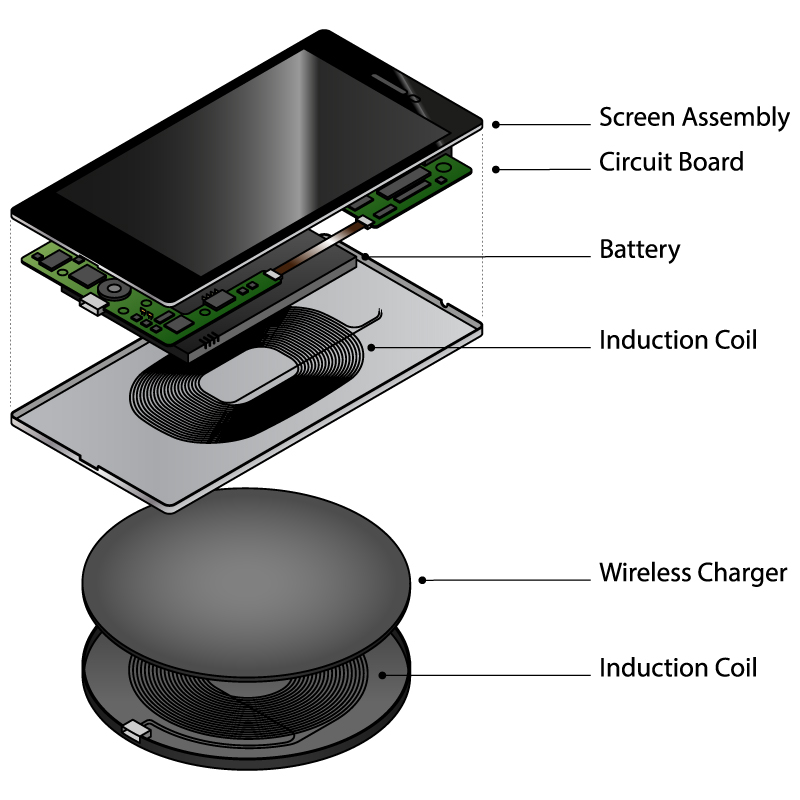
How Wireless Charging Works utilizes electromagnetic fields to transfer energy between two objects. This technology primarily relies on a system called inductive charging, which incorporates two coils: one in the charging pad and the other in the device being charged. When the charging pad is powered on, it generates an alternating magnetic field. This field induces an electric current in the receiving coil within the device, converting it into usable power to charge the battery. This process not only enhances convenience but also eliminates the wear and tear associated with traditional charging cables.
The scientific principles behind wireless charging are largely rooted in Faraday's law of electromagnetic induction. As the current in the primary coil creates a changing magnetic field, it causes an electric current to be produced in the secondary coil. To ensure optimal efficiency, the coils are designed to be aligned properly, and various technologies like Qi (pronounced 'chee') aim to standardize this process across different devices. As more devices adopt this technology, the future of charging is undoubtedly becoming more seamless and user-friendly, making it easier to charge me softly without the hassle of plugs and cords.
Counter-Strike is a popular team-based first-person shooter that has captivated gamers since its release in the late 1990s. The game focuses on tactical gameplay, where players assume the roles of either terrorists or counter-terrorists, each with distinct objectives. Players can enhance their gaming experience with accessories, such as smartphones; check out the Top 10 iPhone slim cases to protect your device while you play. Counter-Strike continues to evolve, with various iterations and updates that keep the gameplay fresh and engaging for both new and veteran players.
The Advantages of Wireless Charging: Why You Should Make the Switch
In today's fast-paced world, wireless charging has emerged as a convenient solution for powering our devices. The most significant advantage of wireless charging is its ease of use. Gone are the days of fumbling with cables and connectors; with just a simple placement on a charging pad, you can power up your devices effortlessly. This not only saves time but also reduces wear and tear on charging ports, extending the lifespan of your gadgets.
Another compelling reason to make the switch to wireless charging is the enhanced safety it offers. Many wireless charging pads are designed with built-in safety features, such as overheating protection and foreign object detection, which eliminate hazards associated with traditional charging methods. Furthermore, the elimination of tangled cords minimizes the risk of trips and falls, creating a more organized and safer environment for your devices and workspace.
Is Wireless Charging Safe? Exploring Myths and Facts
Wireless charging has gained significant popularity in recent years, but many users still wonder, Is wireless charging safe? To address this question, it's important to debunk common myths. One prevalent myth suggests that wireless charging generates harmful radiation. In reality, the electromagnetic fields created by wireless chargers are well within safety limits set by international standards, making them as safe as traditional wired charging methods. Moreover, the efficiency of wireless charging technology has improved, reducing heat generation and enhancing safety for devices.
Despite the safe nature of wireless charging, users should still take precautions to ensure their devices are not compromised. Always use certified chargers that meet industry standards, as using inferior products can lead to overheating or inconsistent charging. Additionally, keep your phone and charger clean, as debris can interfere with the charging process. Ultimately, understanding the facts behind wiresless charging safety allows users to enjoy the convenience of this technology without unnecessary worries.